
Drop-In Anchors
Flush internally threaded anchors for overhead services
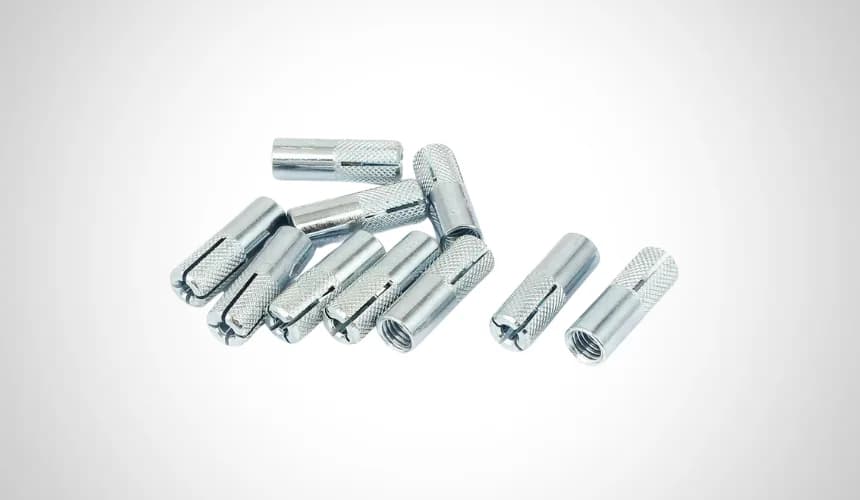
A drop-in anchor sets flush into the concrete and leaves an internal thread behind. That single characteristic is what makes it the default fixing for building services: the anchor goes in during the shell phase, and threaded rod, bolts or hangers can be fitted, removed and refitted afterwards without ever disturbing the anchor itself.
Stocked in Bengaluru · Special sizes made to order · Bulk rates available
Available sizes
Thread size
- M6
- M8
- M10
- M12
- M16
- M20
M6 to M20. Set flush with a setting punch — we supply the matching punch for every size.
Available sizes for Drop-In Anchors: M6, M8, M10, M12, M16, M20.
What it is used for
Use a drop-in anchor for overhead fixings that need to be removable, like pipes and ducting under a slab.
Hanging services
Pipework, ducting, cable tray and sprinklers under a concrete soffit.
Removable fixings
The bolt comes out and goes back in without disturbing the anchor.
Nothing sticking out
Sits flush with the concrete, so there is no stud left hanging down.
False ceilings
Hanger rods for suspended ceiling systems.
Overview
Setting is mechanical and positive. The knurled steel body contains a tapered cone; a setting punch drives the cone up into the body, expanding it hard against the hole wall. Once set, the anchor sits level with the concrete face with nothing protruding.
For MEP contractors this is decisive. A ceiling full of flush anchors can be surveyed, load-tested and then fitted out in any order, and a fixture can be relocated later without leaving a projecting stud behind.
Flush with the surface
Nothing projects from the soffit, so there is no snagging, no cutting back and no interference with the following trades.
Removable and re-fittable
The bolt or rod can come out any number of times. The anchor stays set and the fixing point is permanent.
Positive mechanical set
Driving the setting punch to the shoulder gives a clear, verifiable set — you can see and feel that the anchor is properly expanded.
Purpose-made for services
The standard fixing for suspending pipework, cable tray, HVAC and sprinkler systems from concrete soffits.
Specifications
Standard stock configuration. Non-standard sizes, drives and coatings are made to order — ask us.
| Thread size | M6, M8, M10, M12, M16, M20 |
|---|---|
| Body length | 25 mm to 80 mm |
| Material | Mild steel |
| Type | Flush type and lipped type |
| Base material | Solid concrete, minimum grade M20 |
| Setting | Manual setting punch or SDS setting tool |
| Min. edge distance | Approx. 5× hole diameter |
| Hole diameter | Marked on the anchor — e.g. M10 anchor → 12 mm hole |
| Body | Knurled outer surface for mechanical key |
Technical documentation
Exact specifications vary between manufacturers and production batches. Tell us the job and we will confirm the specification before despatch, and send the manufacturer’s datasheet or test certificate for the batch if you need it for a submittal.
Section 1 — Installation
How drop-in anchors are installed
Only one thing genuinely matters: the anchor has to be fully set with the correct punch before any load goes near it. An unset drop-in anchor looks exactly like a set one from below.
Drawing made for Modern Fastening Solution. Shown for guidance — check against your own job before ordering.
- 1
Drill to the marked diameter and depth
The hole diameter is stamped on the anchor and is larger than the thread size. Drill slightly deeper than the anchor body so it can seat fully flush.
- 2
Clean the hole
Blow and brush. The knurled body keys into the concrete surface, and dust prevents that key from forming.
- 3
Insert the anchor flush
Push it in until the top is level with the concrete face. If it stands proud, the hole is not deep enough — do not hammer it home.
- 4
Set it with the correct punch
Use the matching setting punch and strike until the shoulder of the punch bottoms on the anchor. That contact is your confirmation the cone has travelled fully. A random drift or bolt will not do this reliably.
- 5
Fit the rod or bolt
Engage the full thread depth of the anchor — no more, no less. A bolt bottoming out inside the anchor jacks against the cone and reduces its capacity.
Section 2 — Applications
Where drop-in anchors are used
Overhead and concealed fixings, and anywhere the fixture may need to be removed later without leaving a projecting stud in the concrete.
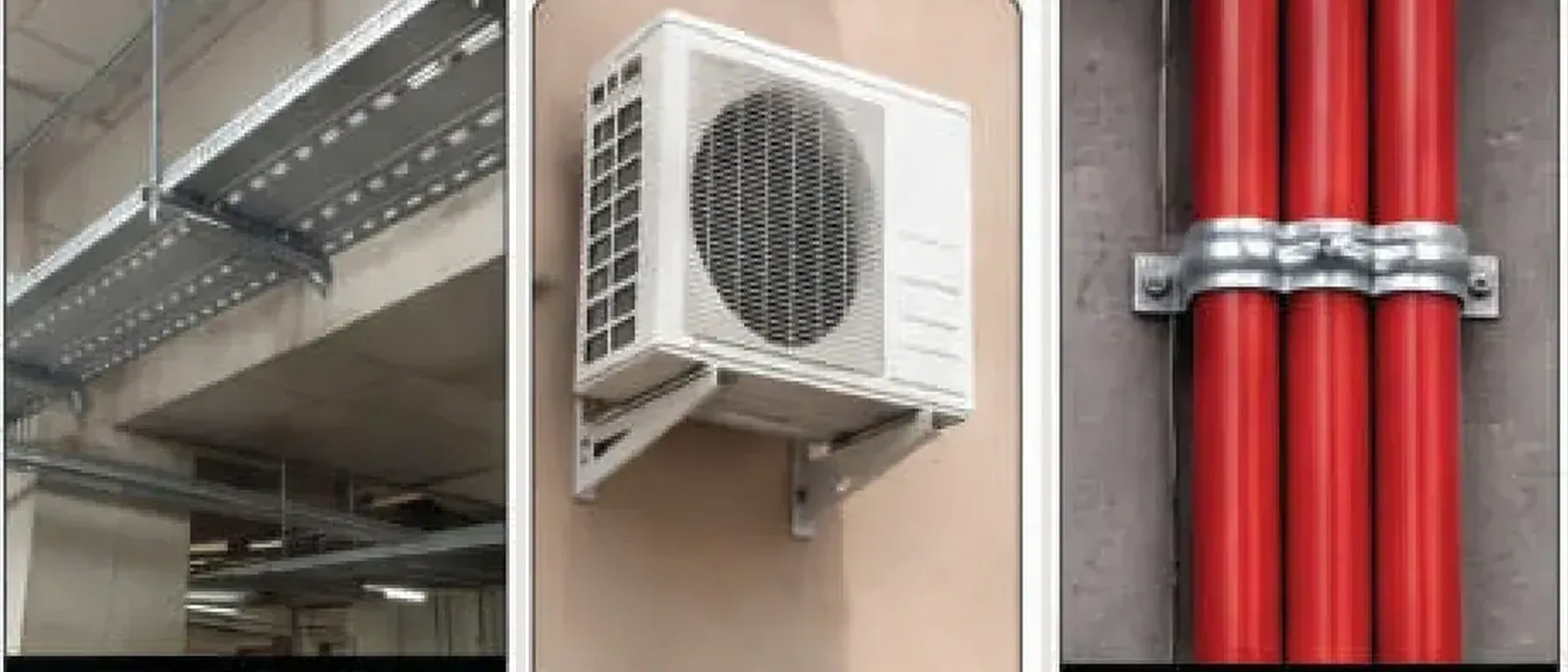
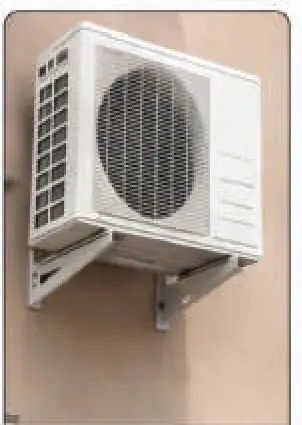
HVAC and duct installations
Outdoor units, duct hangers and plant suspended from concrete soffits and walls.
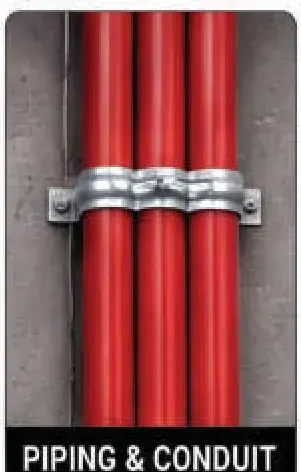
Piping and conduit supports
Pipe clamps, conduit saddles and sprinkler hangers off the slab.
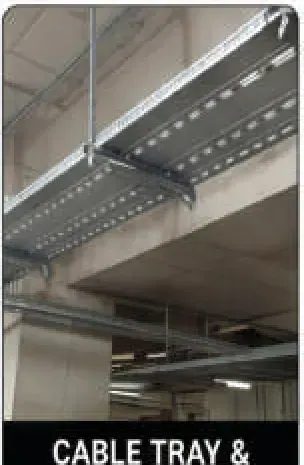
Cable tray and bracket fixing
Cable tray hangers and bracket supports in services runs.
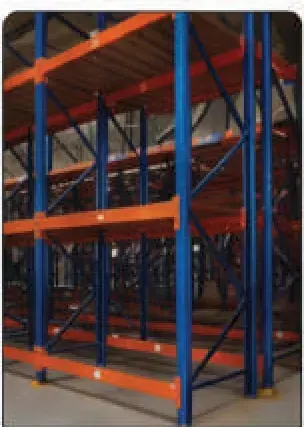
Racking and shelving
Racking uprights where the fixture may need to be removed and refitted later.
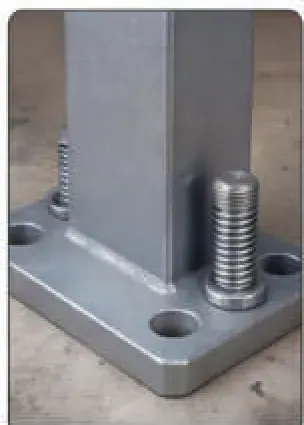
Machinery and equipment
Machine bases bolted down through a threaded rod or bolt into a flush-set anchor.
Drop-In Anchors — questions we get asked
How do I know if a drop-in anchor is properly set?
The setting punch bottoms out — the shoulder of the punch contacts the top of the anchor and stops moving. If you can still drive the cone deeper, it is not set. Visually, a set anchor sits flush with no movement when a bolt is engaged and pulled.
What hole size do I drill for an M10 drop-in anchor?
12 mm. The hole matches the anchor body outside diameter, not the internal thread. The correct size is stamped on the anchor.
Can drop-in anchors be used overhead?
Yes — it is their primary application. They are the standard fixing for suspending services from concrete soffits, provided each anchor is fully set and the load is within the rated capacity for the concrete grade and embedment.
What happens if I over-tighten the bolt in a drop-in anchor?
The bolt can bottom against the internal cone and jack it back down, which reduces the expansion and therefore the holding capacity. Engage the bolt to the anchor's full thread depth and no further, and torque to the specified figure.
Do you supply the setting tools?
Yes — manual setting punches and SDS setting tools for every size we stock. They are inexpensive, and using the correct one is the difference between a rated fixing and a guess.
Request a price for Drop-In Anchors
Send us the sizes and quantities and we will come back with a price, usually the same working day. Not sure of the size? Describe the job and we will work it out.
Often ordered with this
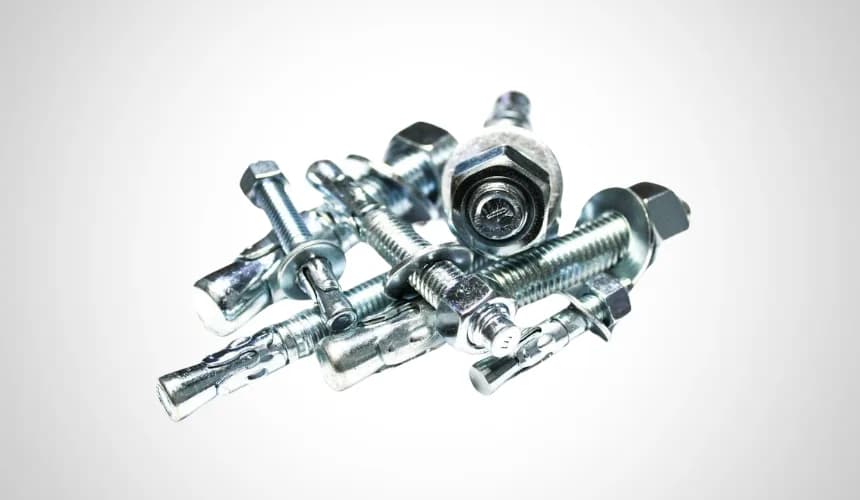
Anchors & Rivets
Wedge Anchor Bolts
Structural through-fixing for solid concrete
View specifications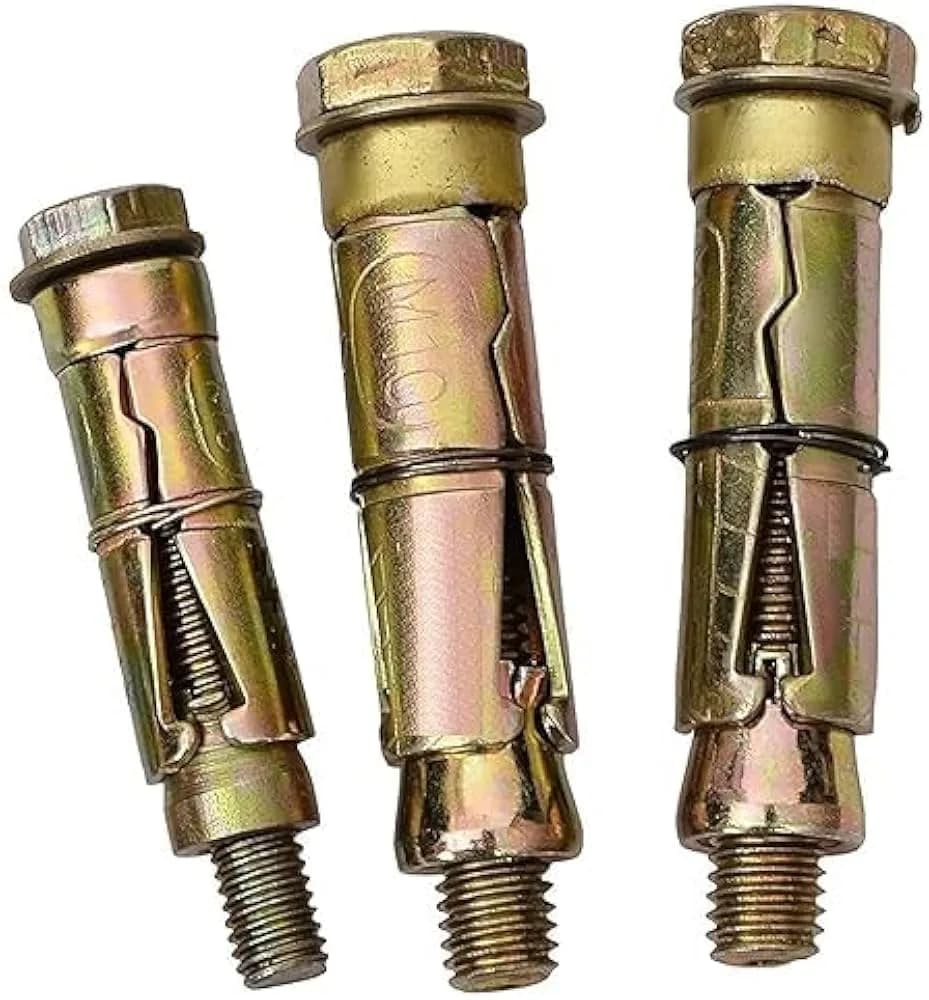
Anchors & Rivets
Rawl Bolts
Sleeve anchors for heavy shear and vibration duty
View specifications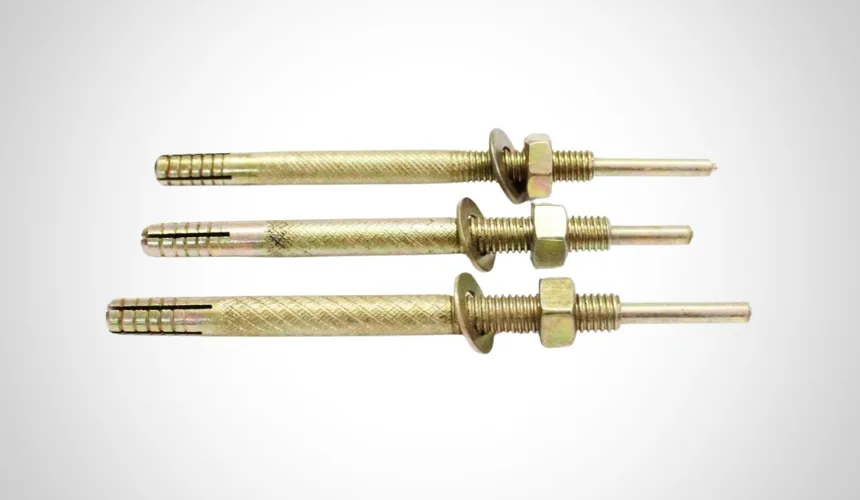
Anchors & Rivets
Pin Type Anchors
Hammer-set anchors for fast light and medium fixing
View specifications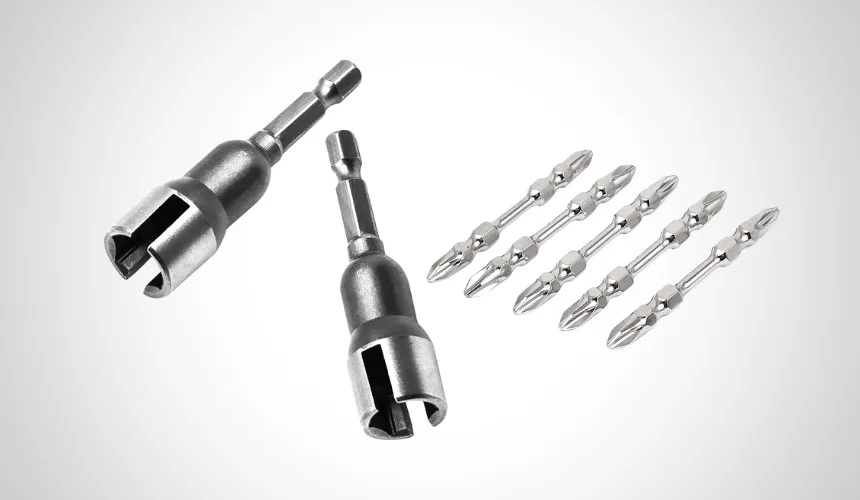
Accessories
Sockets, Nut Setters & Driver Bits
The driving end of every fastener you install
View specificationsTell us what you need
Send us the sizes and quantities, a photo, or just a description of the job. Most quotations go out the same working day.
Monday – Saturday, 9:30 AM – 7:00 PM · Delivery across Bengaluru, Karnataka and all India