
Pin Type Anchors
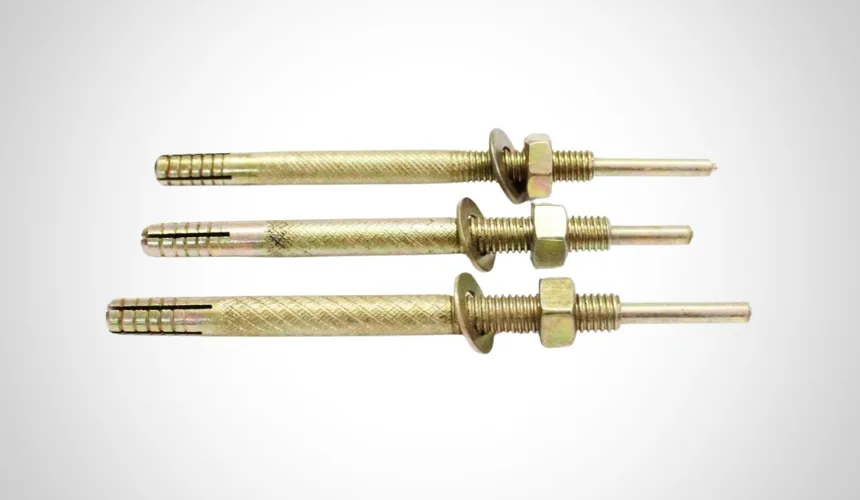
Hammer-set anchors for fast light and medium fixing
Pin type anchors trade a little capacity for a great deal of speed. Drill, push the anchor through the fixture into the hole, hit the pin with a hammer, move on. No torque wrench, no setting punch, no waiting.
Stocked in Bengaluru · Special sizes made to order · Bulk rates available
Available sizes
Dia × Length (mm)
- 8 x 75
- 8 x 100
- 10 x 75
- 10 x 100
- 10 x 125
- 10 x 150
- 12 x 75
- 12 x 100
- 12 x 125
- 12 x 150
- 16 x 100
- 16 x 125
Hammer-set. Zinc plated steel as standard; brass available.
Available sizes for Pin Type Anchors: 8 x 75, 8 x 100, 10 x 75, 10 x 100, 10 x 125, 10 x 150, 12 x 75, 12 x 100, 12 x 125, 12 x 150, 16 x 100, 16 x 125.
What it is used for
Use a pin anchor for quick, light fixings into concrete — drill, push in, one hit with a hammer.
Conduit and cable clips
Fast fixing for long runs of electrical containment.
Battens and channels
Holding timber battens and furring channels to concrete.
Light brackets
Small brackets, signs and fittings on solid walls.
High volume work
No torque wrench, no setting tool — much quicker than a wedge anchor.
Overview
Driving the pin expands the anchor sleeve against the wall of the hole, locking the fixing in place. On a job with hundreds of light and medium fixings — conduit saddles, cable clips, batten and channel runs, skirting, brackets — the time saved over a torqued anchor is substantial.
We stock them in 6 mm to 12 mm bodies in zinc plated steel and brass, with countersunk and mushroom heads, in lengths to suit common fixture thicknesses.
One hammer blow to set
No torque control, no setting tools, minimal operator skill. On repetitive light fixing this is the fastest mechanical anchor there is.
Low profile head
Countersunk and mushroom heads sit close to the fixture, so nothing catches and nothing has to be trimmed.
Steel or brass
Zinc plated steel for general use; brass where appearance matters or where a non-sparking fixing is called for.
Consistent by design
The pin either drives home or it does not — there is very little scope for an inconsistent set.
Specifications
Standard stock configuration. Non-standard sizes, drives and coatings are made to order — ask us.
| Body diameter | 6 mm, 8 mm, 10 mm, 12 mm |
|---|---|
| Length range | 35 mm to 150 mm |
| Material | Zinc plated carbon steel; brass versions available |
| Head styles | Countersunk, mushroom, hex |
| Base material | Concrete, solid brick, dense solid block, natural stone |
| Setting method | Hammer-driven pin |
| Duty | Light to medium; not for structural or dynamic loads |
| Hole diameter | Equal to the anchor body diameter |
| Min. edge distance | Approx. 5× body diameter |
| Packing | 100 / 200 pc boxes |
Technical documentation
Exact specifications vary between manufacturers and production batches. Tell us the job and we will confirm the specification before despatch, and send the manufacturer’s datasheet or test certificate for the batch if you need it for a submittal.
Section 1 — Installation
How pin type anchors are installed
There is very little to it, which is the appeal — but the hole depth and the final hammer blow are the two things worth getting right.
Drawing made for Modern Fastening Solution. Shown for guidance — check against your own job before ordering.
- 1
Drill through the fixture into the base
Use a bit matching the anchor body diameter and drill 10–15 mm deeper than the anchor length, so the pin has clearance to travel fully.
- 2
Clear the hole
A quick blow-out is enough. It is a light-duty fixing, but debris will still stop the anchor seating flush.
- 3
Push the anchor fully home
It should pass through the fixture and bottom in the hole with the head sitting flat on the fixture. If it stands proud, drill deeper rather than forcing it.
- 4
Drive the pin flush in one or two firm blows
Strike the pin square. It should finish level with the head. A pin that will not go flush means the hole is too shallow or the sleeve has hit debris.
- 5
Check it is tight
The fixture should not rotate or lift. If it moves, the anchor has not expanded — remove it and set a fresh one in a new hole.
Section 2 — Applications
Where pin type anchors are used
High-volume, repetitive, light and medium fixings into solid substrate — the sort of work where the time per fixing matters more than the ultimate capacity of each one.

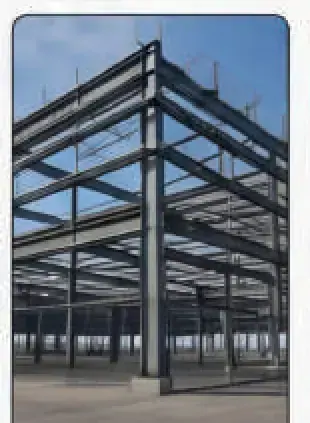
Steel structure fixing
Fast light and medium duty fixing of brackets and sections to concrete.
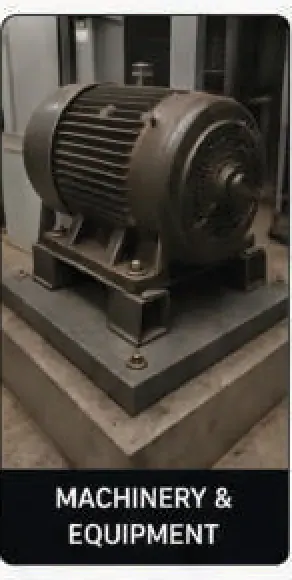
Machinery and equipment
Securing light plant, pumps and small equipment bases.
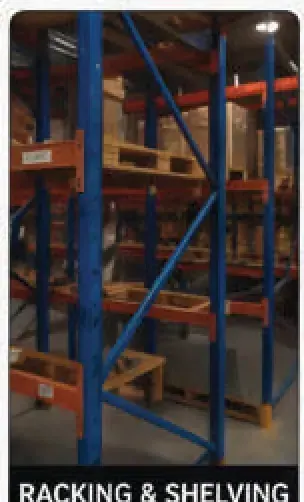
Racking and shelving
Anchoring shelving and light racking into concrete floors.
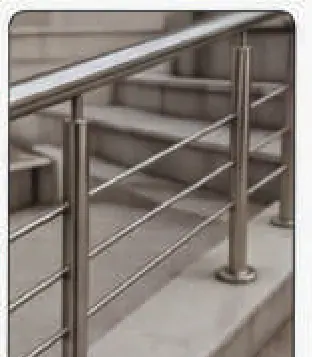
Handrails and guardrails
Guardrail and barrier posts into slabs where the load is modest.
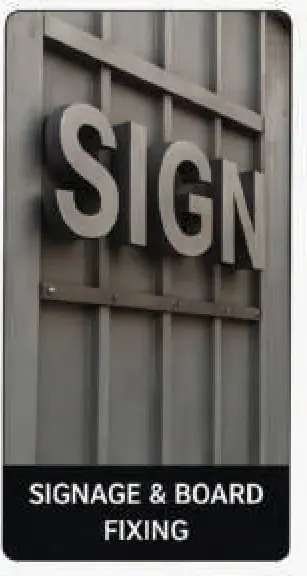
Signage and boards
Signage, display boards and cable tray brackets fixed quickly with a hammer.
Pin Type Anchors — questions we get asked
How much load can a pin type anchor take?
They are rated for light to medium duty — typically a few hundred kilograms in tension for the larger sizes in good concrete, with a proper safety factor applied. For structural, dynamic or overhead heavy loads, use a wedge anchor, rawl bolt or drop-in instead.
Can pin type anchors be removed?
Not cleanly. Once the pin has expanded the sleeve, the anchor is set permanently. It can be drilled out or driven below the surface and made good, but it cannot be reset.
What is the difference between a pin type anchor and a nail-in anchor?
They are essentially the same family — the terms are used interchangeably in India. Both are hammer-set expansion fixings for fast light-duty work; construction details vary slightly between manufacturers.
Will they work in hollow block?
No. Like all expansion anchors they need solid material to expand against. In hollow block, use a nylon frame fixing.
Request a price for Pin Type Anchors
Send us the sizes and quantities and we will come back with a price, usually the same working day. Not sure of the size? Describe the job and we will work it out.
Often ordered with this
Anchors & Rivets
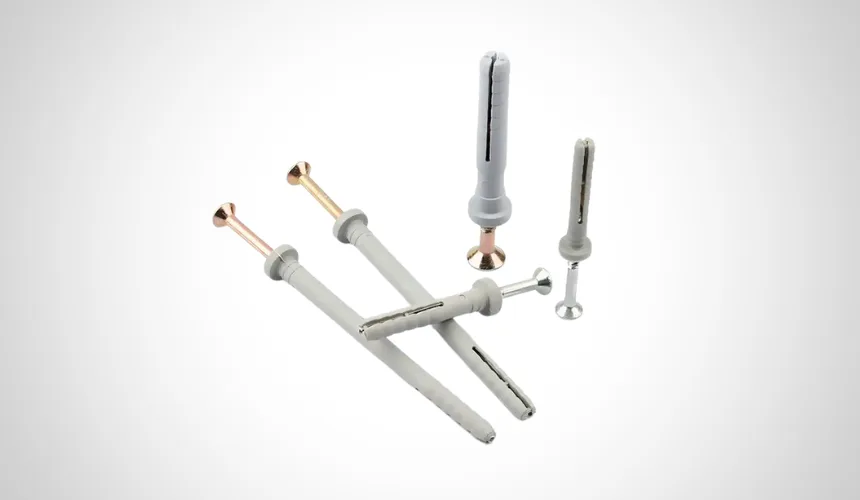
Nylon Frame Fixing
Long sleeve fixings for hollow, soft and mixed substrates
View specifications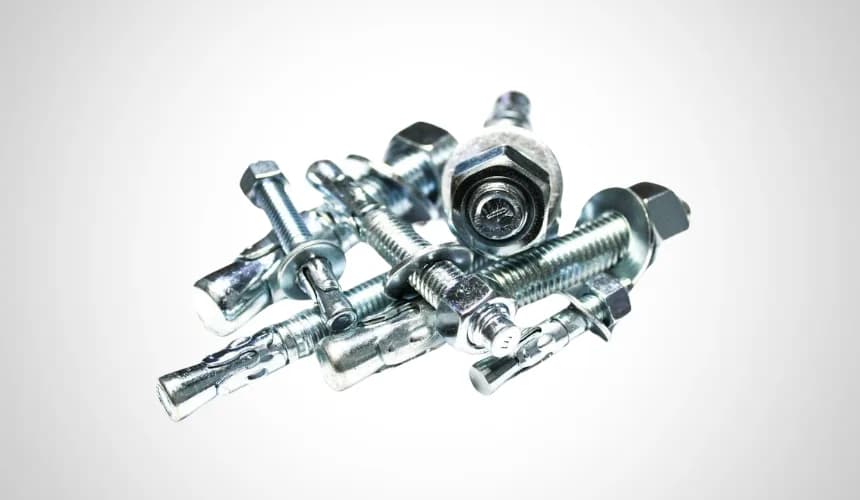
Anchors & Rivets
Wedge Anchor Bolts
Structural through-fixing for solid concrete
View specifications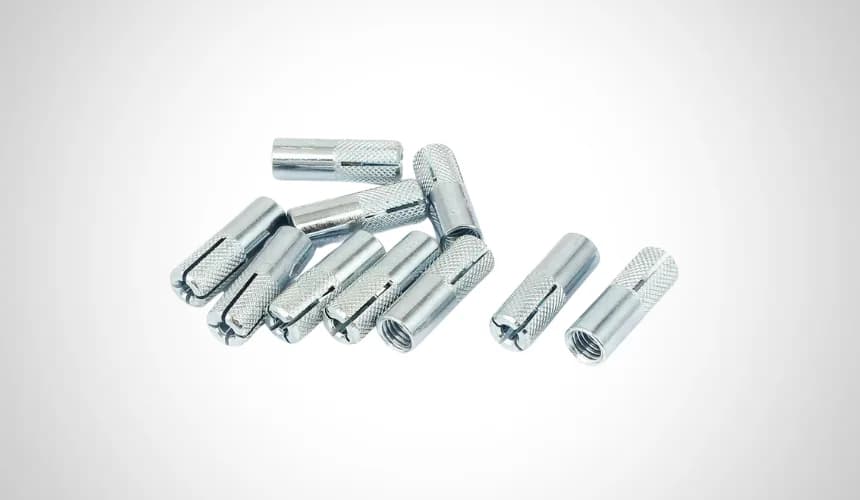
Anchors & Rivets
Drop-In Anchors
Flush internally threaded anchors for overhead services
View specifications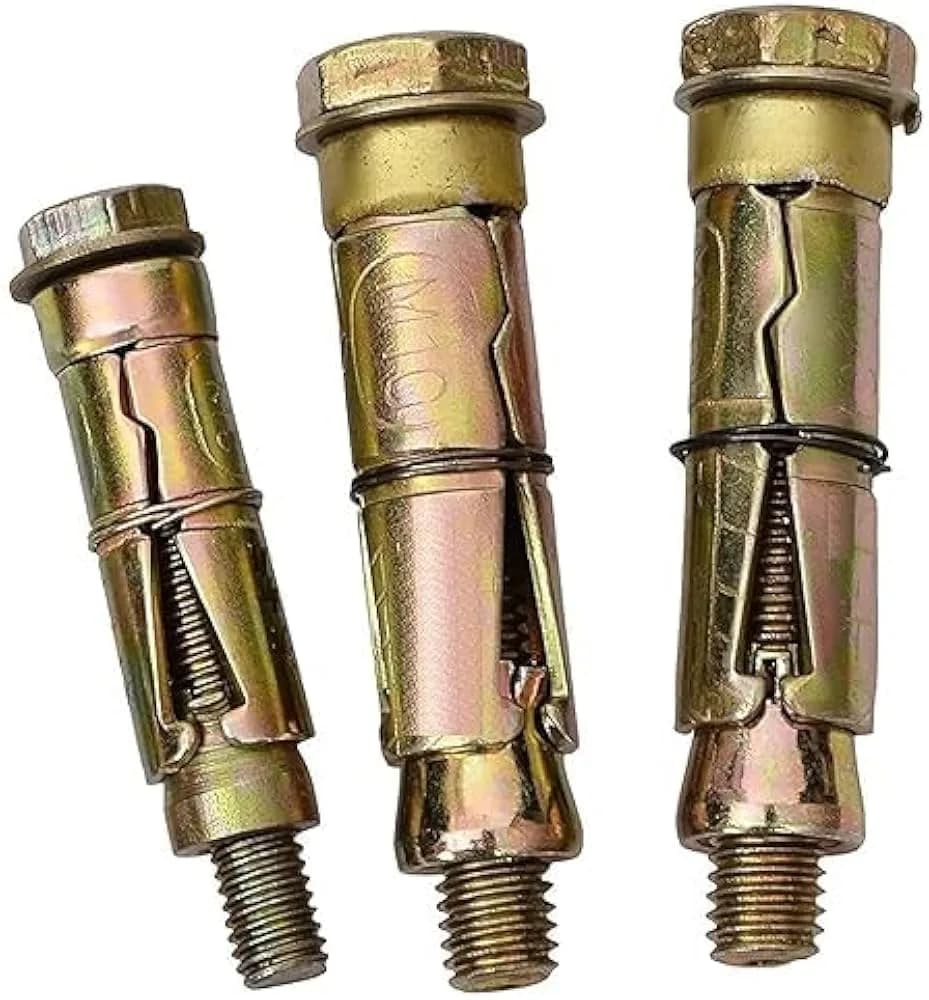
Anchors & Rivets
Rawl Bolts
Sleeve anchors for heavy shear and vibration duty
View specificationsTell us what you need
Send us the sizes and quantities, a photo, or just a description of the job. Most quotations go out the same working day.
Monday – Saturday, 9:30 AM – 7:00 PM · Delivery across Bengaluru, Karnataka and all India