
Which fixing for which job
Most enquiries start with a problem rather than a part number. This guide works through the eight application areas we are asked about most often — what the job demands, what we recommend, and the mistake that costs people the most money.
01 — Application
Metal roofing
The job
Profiled GI, colour-coated or galvalume sheet fixed down to Z or C purlins, where every penetration is a potential leak and the roof is expected to last 20 years or more.
What we recommend
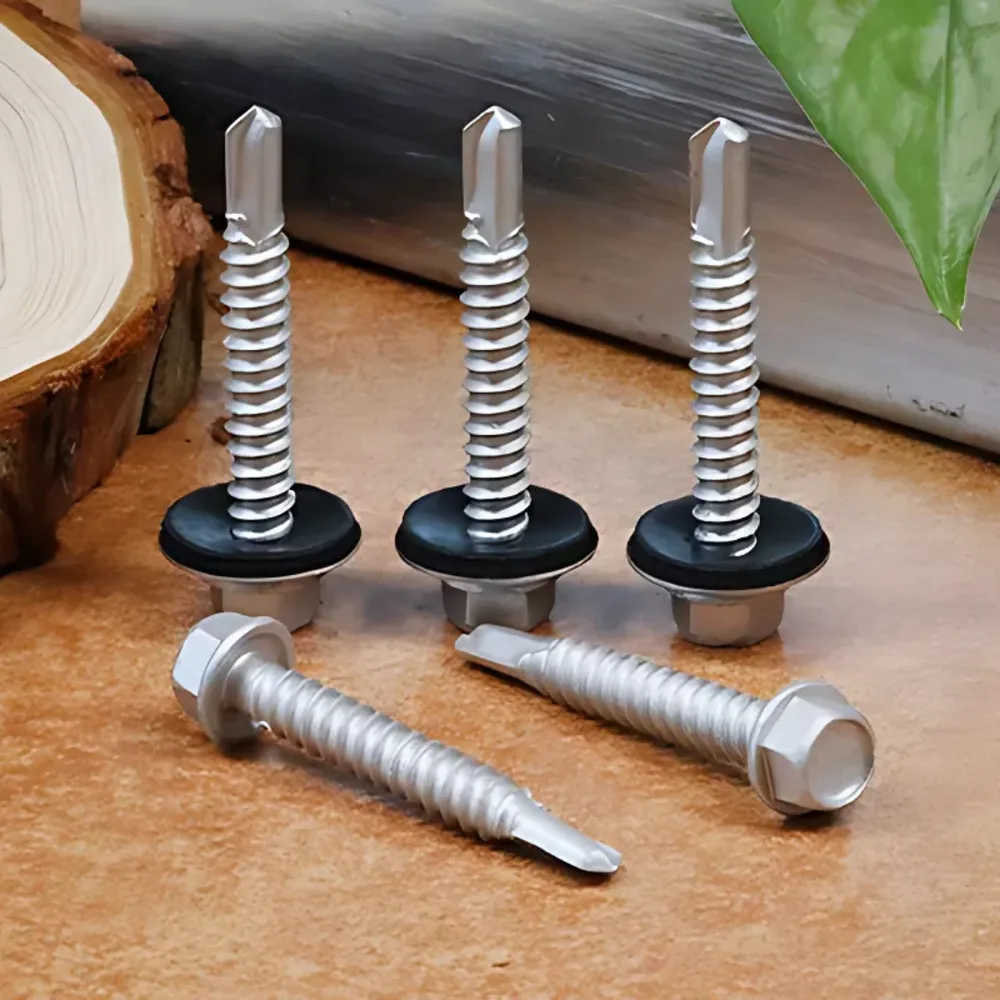
A hex washer head self drilling screw with a bonded EPDM washer, fixed through the crown of the rib. The thicker the purlin, the bigger the drill point the screw needs — the point number is simply how much steel the tip can cut through. Use a #2 point for steel up to 2 mm, a #3 up to 3 mm, and a #4 or #5 for 3 to 6 mm. Zinc plating is fine inland and sheltered. Use Xylan coated near the coast, around chemicals, or where the screws will be seen.
The mistake to avoid
Over-driving. The washer should just flare — dish the sheet and you have created a puddle around the fixing that will find its way in within two monsoons.
Products for this job
02 — Application
Wall cladding & facades
The job
Sheet or panel fixed to girts and carrier rails, often on an elevation where every fixing is visible and the client will notice a rust streak from fifty metres.
What we recommend
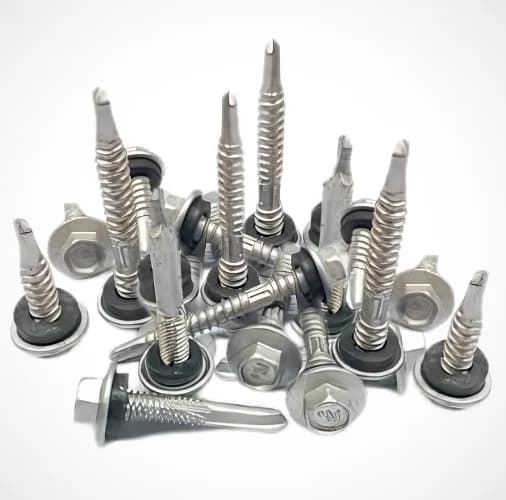
Colour-matched Xylan coated screws where the fixings are exposed, with Xylan coated screws on coastal elevations. Behind the finished skin, truss head screws for carrier rails and sub-frames, and blind rivets for flashings and trims where you can only reach one side.
The mistake to avoid
Galvanic pairing. A zinc-plated carbon steel screw in an aluminium panel will corrode the panel around the hole. Use a Xylan coated fixing, which separates the two metals.
Products for this job
03 — Application
Concrete & masonry anchoring
The job
Base plates, machine frames, racking uprights and building services that have to transfer load into a slab, wall or soffit — and stay there under vibration.
What we recommend
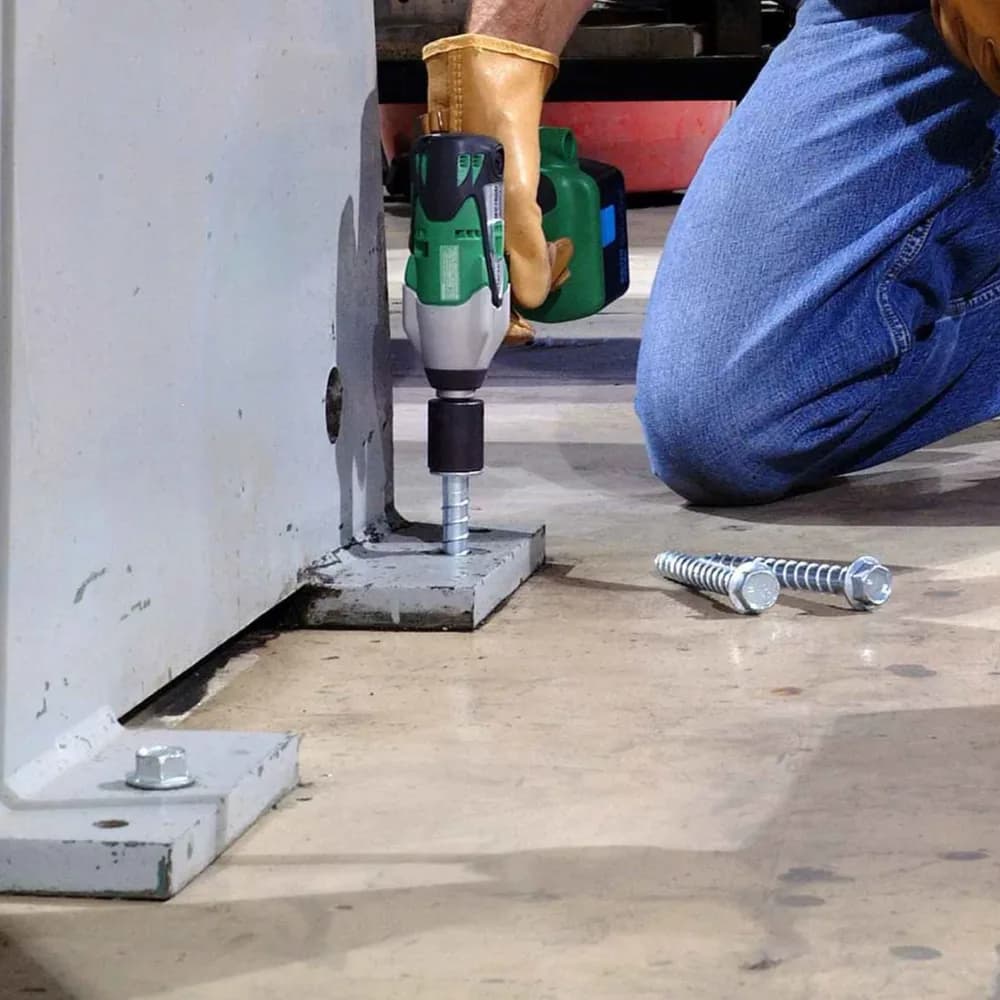
Wedge anchors for structural through-fixings; rawl bolts where shear and vibration dominate or the concrete is old and of uncertain grade; drop-in anchors for overhead services that must stay removable; pin type anchors for high-volume light fixing; nylon frame fixings for hollow block and AAC.
The mistake to avoid
Three things kill anchors — a hole that was not blown clean, insufficient embedment, and being set too close to a free edge. Allow 4.5–5 diameters of embedment and 6 diameters to any edge.
Products for this job
04 — Application
Metal-to-metal & fabrication
The job
Ducting, enclosures, cable tray, gates, guards and general workshop assembly — thin section joined to thin section, quickly and repeatably.
What we recommend
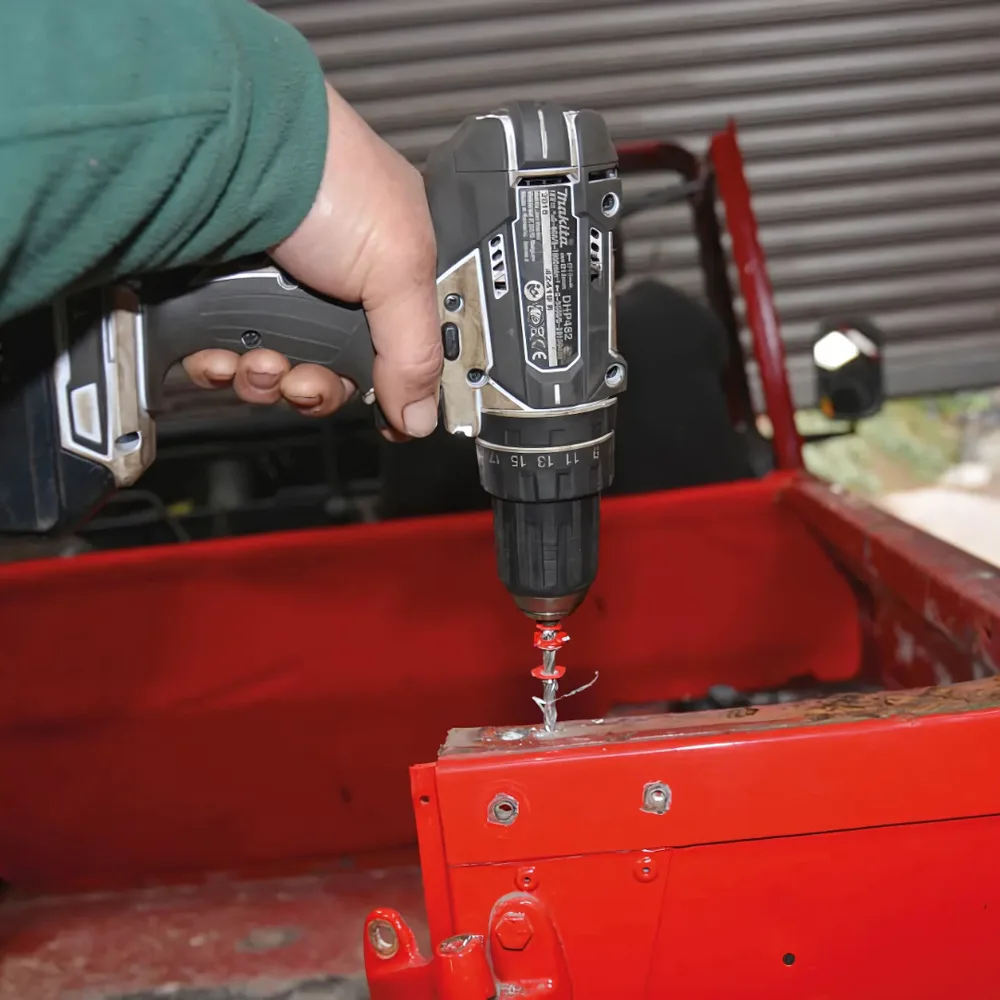
Pan head self drilling screws for general stitching, truss head where the sheet is thin enough that pull-through is a real risk, and blind rivets wherever the back of the joint is inaccessible or the assembly will vibrate.
The mistake to avoid
Clamping. Any gap between the two sheets when you start will be locked in permanently. Clamp first, drive second — this applies to screws and rivets equally.
Products for this job
05 — Application
Drywall, ceilings & board
The job
Gypsum, calcium silicate and fibre cement board fixed to steel or timber framing, with a finish that has to be flat, fillable and free of fastener pops six months later.
What we recommend
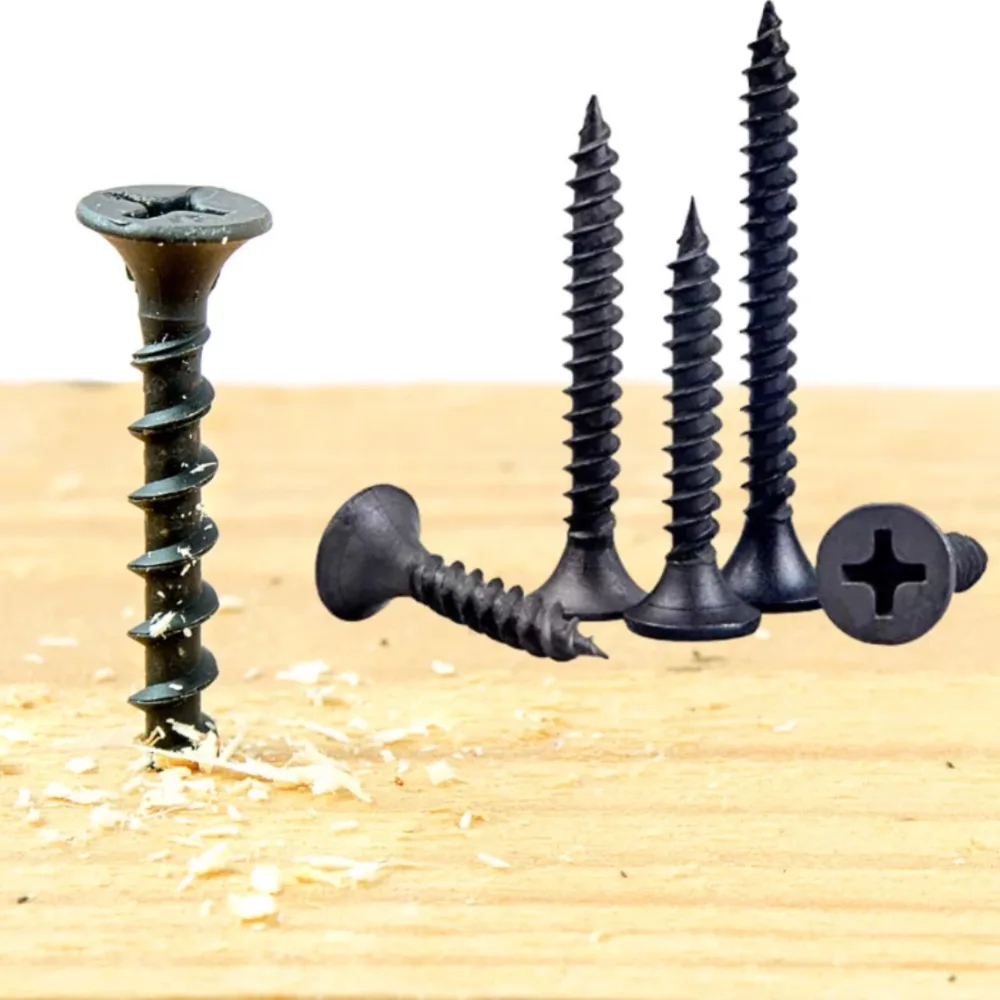
Bugle head drywall screws — fine thread into steel studs, coarse into timber — driven with a depth-stop nose cone. CSK and ribbed head self drilling screws where the board is dense or fibre cement. Truss head screws for the track and grid behind it.
The mistake to avoid
Screwing across a gap. If the board is not pressed tight to the stud as you drive, you have built a spring into the wall and it will pop through the skim.
Products for this job
06 — Application
Doors, windows & frames
The job
uPVC, aluminium and timber frames fixed into reveals that might be dense concrete, hollow block, AAC or perforated brick — often all four on the same project.
What we recommend
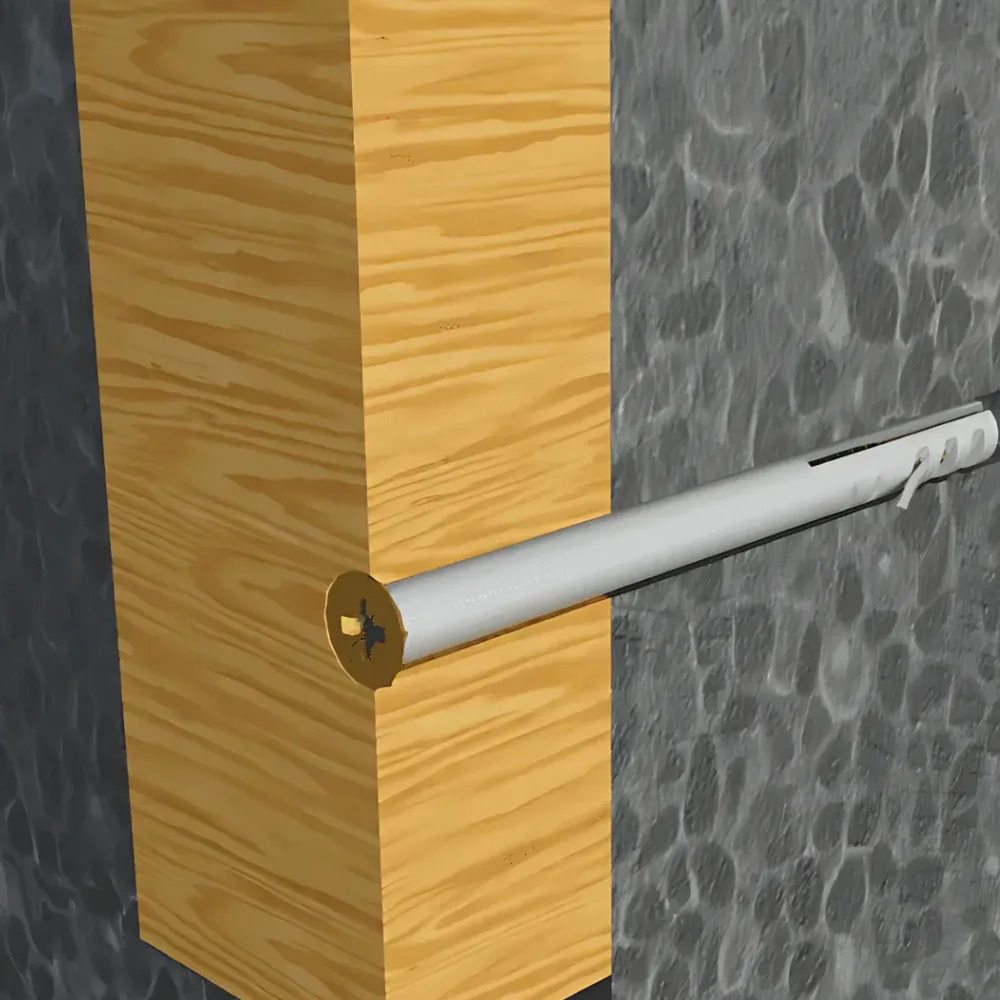
Nylon frame fixings. A single long sleeve through the frame and into whatever the wall turns out to be, distributing load along its length rather than relying on point expansion. Allow at least 50 mm of anchorage past frame, packing and plaster.
The mistake to avoid
Hammer drilling into AAC. It tears an oversized hole the sleeve cannot grip. Rotary mode only in aerated and lightweight blocks.
Products for this job
07 — Application
Timber & joinery
The job
Furniture carcasses, modular kitchens, shopfitting, timber framing and structural connections — where joints must pull tight without splitting the material.
What we recommend
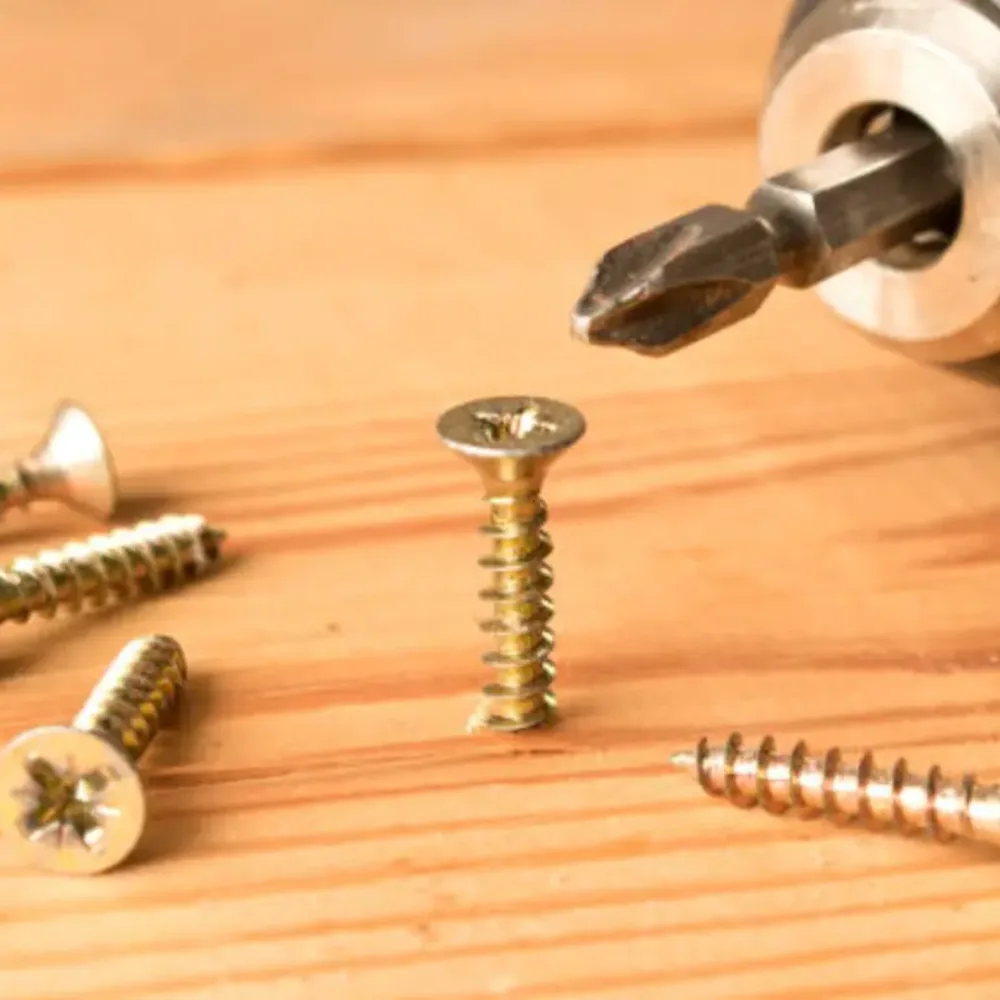
Chipboard screws with a twin-start thread and a plain shank under the head for board and joinery, so the thread grips only the lower piece and closes the joint. Coach screws with a washer and a proper pilot hole for anything structural.
The mistake to avoid
Skipping the pilot hole on coach screws. And never hammering one partway in to start it — that crushes the fibres the thread needs and the connection is under-strength from day one.
Products for this job
08 — Application
Rooftop solar mounting
The job
A solar array is bolted onto a metal roof and left there for decades. Replacing a corroded fixing later means working under a live array at height.
What we recommend
Xylan coated self drilling screws with bonded EPDM seals. The baked fluoropolymer coating is made for long outdoor exposure. How long any fixing lasts depends on the site, the installation and the roof material.
The mistake to avoid
Mixing fastener grades on the same array. The plated ones fail first, stain the sheet, and get blamed on the whole installation.
Products for this job
Selection questions we get asked
How do I choose the right self drilling screw for my roof?
Work from the base steel outward. First measure the purlin or girt thickness and pick the drill point to match — the point number tells you how much steel the tip can drill through. A #2 point handles steel up to 2 mm, a #3 up to 3 mm, and a #4 or #5 covers 3 to 6 mm. Next, add the sheet thickness plus enough length for three full threads to come out past the far face. Finally choose the coating to suit the site — zinc for sheltered inland work, Xylan for humid, coastal, chemical or solar. If you are not sure, send us a photo of the purlin and the sheet and we will tell you the size.
What is the difference between an anchor and a screw for concrete?
An anchor transfers structural load by expanding against, or bonding to, the concrete — wedge anchors, rawl bolts and drop-ins all do this. A masonry screw cuts a thread directly into the concrete and is best for light to medium duty. For anything carrying real structural or dynamic load, use an anchor and verify embedment and edge distance.
Which fastener should I use near the coast?
Xylan coated self drilling screws for anything exposed, and hot-dip galvanised or stainless for anchors and timber fixings. Standard zinc plating will show red rust within a season in salt-laden air.
Can you help specify fasteners for a project we are pricing?
Yes, and it is usually the fastest part of the process. Send the drawings or a bill of quantities with sheet profiles, purlin gauges, substrate types and the environment, and we will return a fastener schedule with sizes, grades and quantities against a project rate.
Do you supply fastener schedules for tender submissions?
Yes. For projects we are quoting, we can prepare an itemised fastener schedule with sizes, specifications and quantities that you can attach to a tender or a method statement.
Send us the drawings and we will write the fastener schedule
Sheet profiles, purlin gauges, substrate types and the environment are usually all we need. We will return sizes, grades and quantities against a project rate.
Monday – Saturday, 9:30 AM – 7:00 PM · Delivery across Bengaluru, Karnataka and all India