
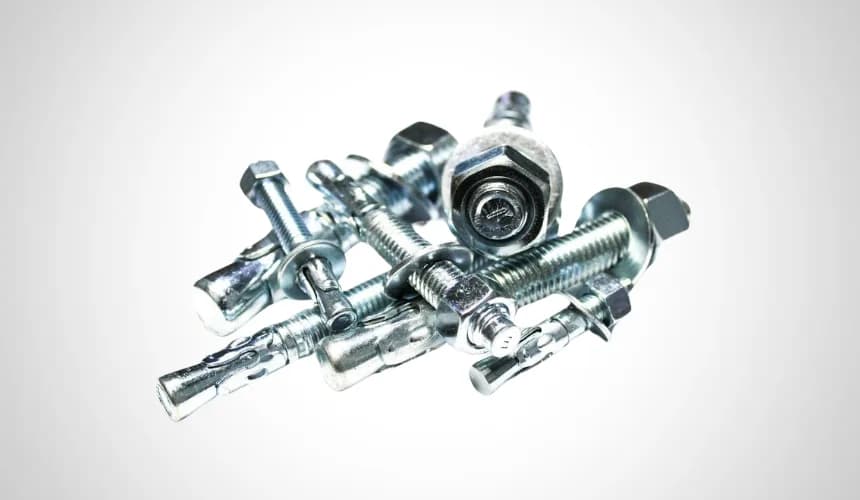
6 products in this range
Industrial Anchors & Blind Rivets
Wedge anchors, rawl bolts, drop-ins, pin anchors, frame fixings and blind rivets
Anchors transfer load from a fixture into concrete or masonry; rivets join thin sheet where you can only reach one side. Both are unforgiving of the wrong specification — an anchor that is under-embedded or a rivet with the wrong grip range will pass a visual inspection and fail under load.
We supply the full mechanical anchoring range: through-fixed wedge anchors for structural steel and machine bases, internally threaded drop-in anchors for services suspended from soffits, rawl bolts for heavy shear duty, pin type anchors for fast light fixing, nylon frame fixings for hollow and lightweight substrates, and open-end blind rivets from 3.2 mm to 6.4 mm.
Talk to us with the base material, the load and the fixture thickness, and we will specify the anchor rather than sell you the one that happens to be in the box.
Anchors & Rivets
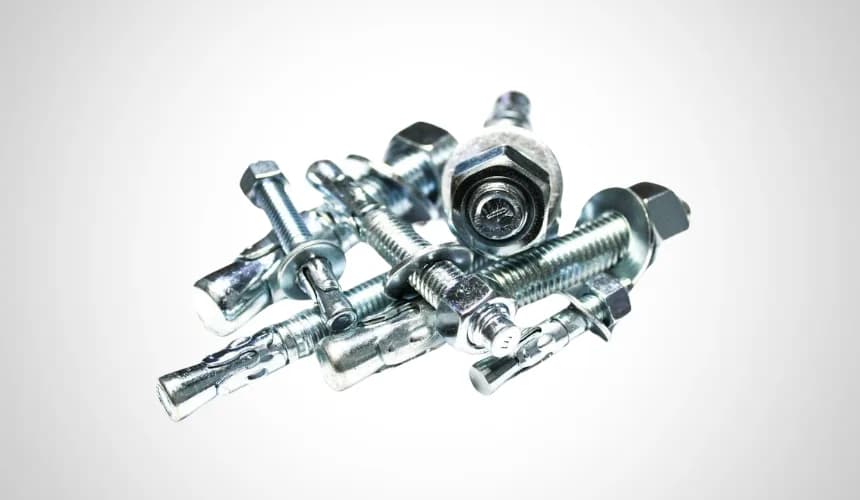
Wedge Anchor Bolts
Structural through-fixing for solid concrete
View specifications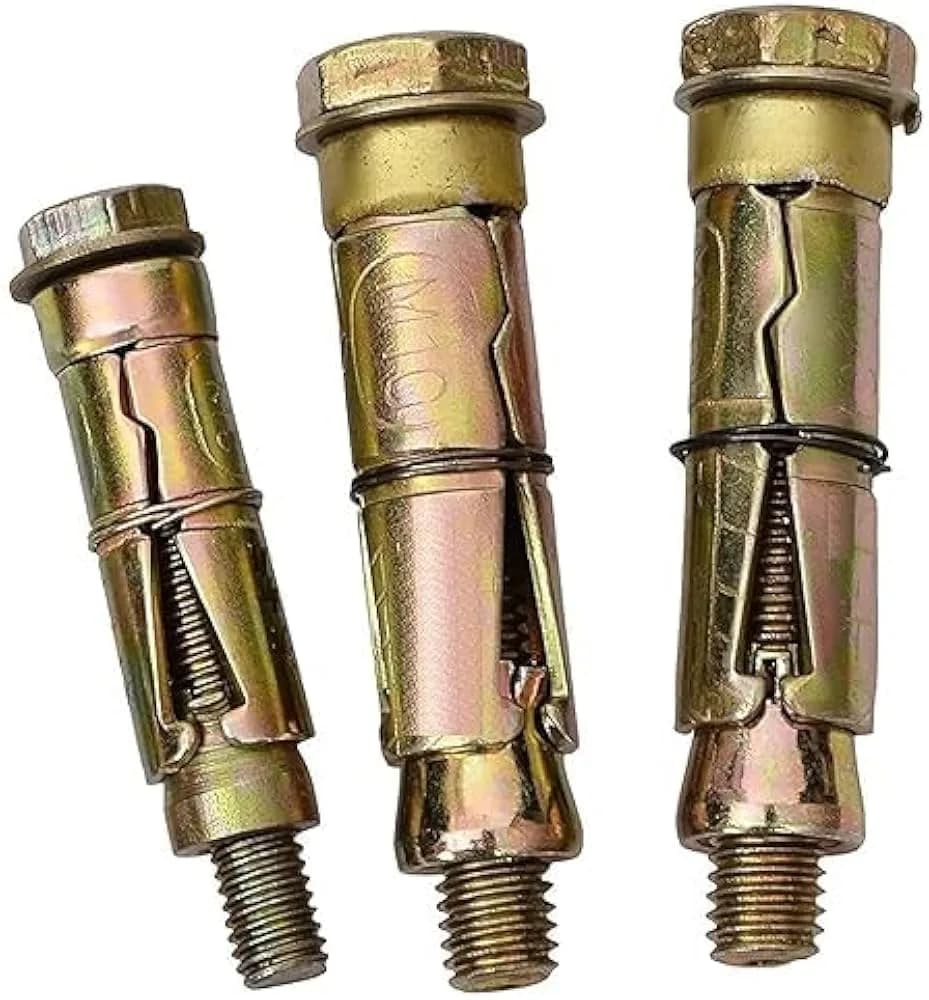
Anchors & Rivets
Rawl Bolts
Sleeve anchors for heavy shear and vibration duty
View specifications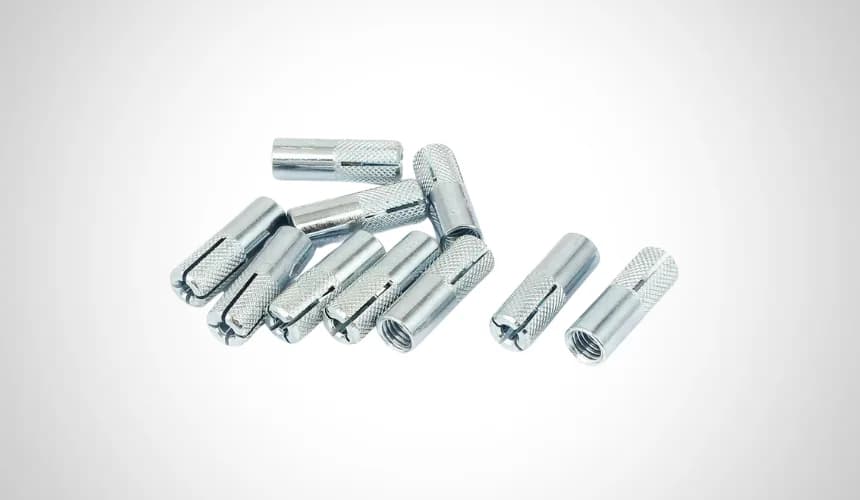
Anchors & Rivets
Drop-In Anchors
Flush internally threaded anchors for overhead services
View specifications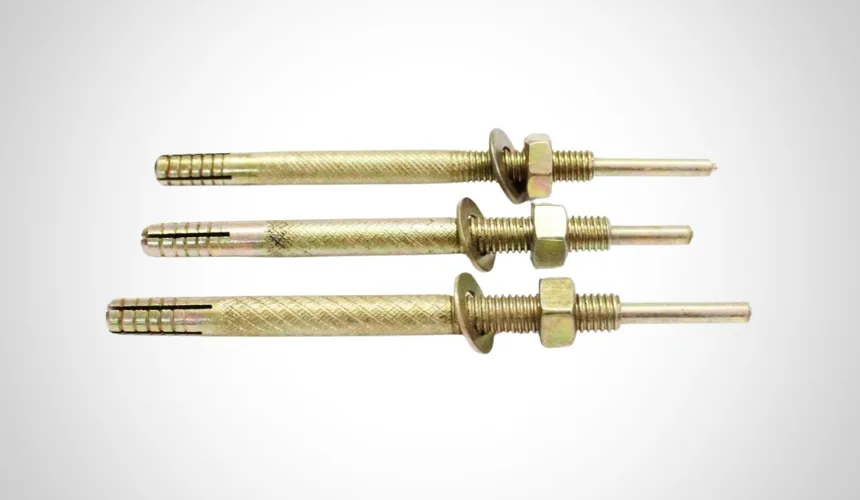
Anchors & Rivets
Pin Type Anchors
Hammer-set anchors for fast light and medium fixing
View specifications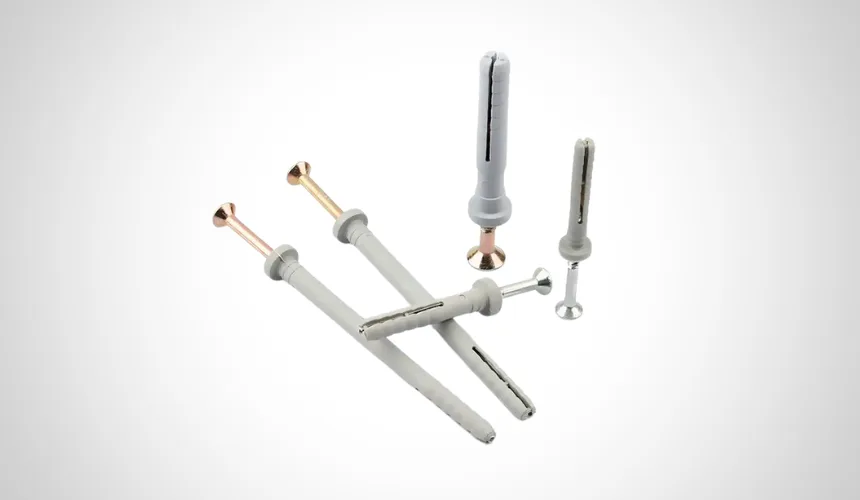
Anchors & Rivets
Nylon Frame Fixing
Long sleeve fixings for hollow, soft and mixed substrates
View specifications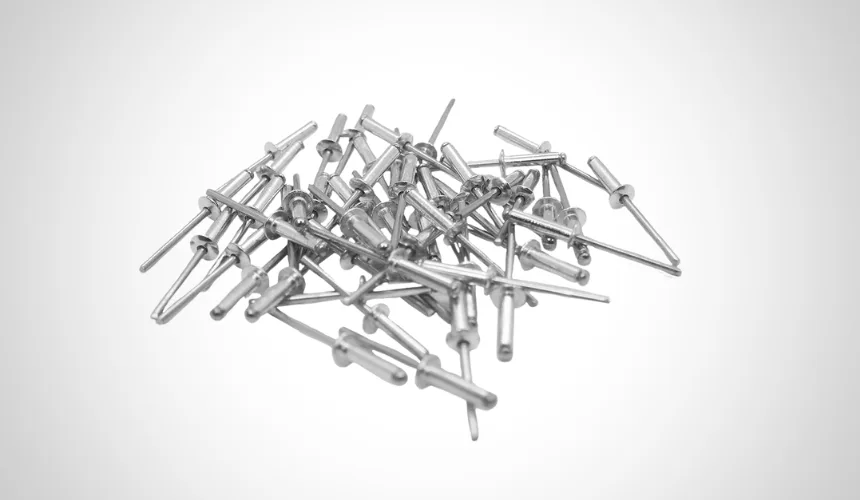
Anchors & Rivets
Blind Rivets
Permanent one-sided joints in sheet and thin section
View specificationsAnchors & Rivets — common questions
How deep should a wedge anchor be embedded in concrete?
As a working rule, minimum embedment is 4.5 to 5 times the anchor diameter, and edge distance should be at least 6 times the diameter. An M12 anchor therefore wants roughly 55–60 mm of embedment and 70 mm+ from any free edge. Always confirm against the load case and the concrete grade.
What is the difference between a wedge anchor and a drop-in anchor?
A wedge anchor is a through-fixing — you drill through the fixture and the concrete together, then tighten the nut to expand the clip. A drop-in anchor is set flush into the concrete first and takes a separate bolt or threaded rod afterwards, so the fixture can be removed and refitted without disturbing the anchor. Drop-ins are the standard choice for overhead services.
How do I choose the right blind rivet grip range?
Add up the total thickness of all the sheets being joined and pick a rivet whose stated grip range brackets that figure. Too short and the mandrel will not form a proper head on the blind side; too long and the joint stays loose. Hole diameter should be 0.1–0.2 mm over the rivet body diameter.
Can anchors be used in hollow block or brick?
Not expansion anchors — they need solid substrate. For hollow block, aerated concrete and perforated brick, use nylon frame fixings, which spread load along the sleeve instead of relying on point expansion. We stock these in 8 mm and 10 mm diameters in a range of lengths.
Tell us what you need
Send us the sizes and quantities, a photo, or just a description of the job. Most quotations go out the same working day.
Monday – Saturday, 9:30 AM – 7:00 PM · Delivery across Bengaluru, Karnataka and all India